
We’re NTE Electronics, An Electronic Components Brand
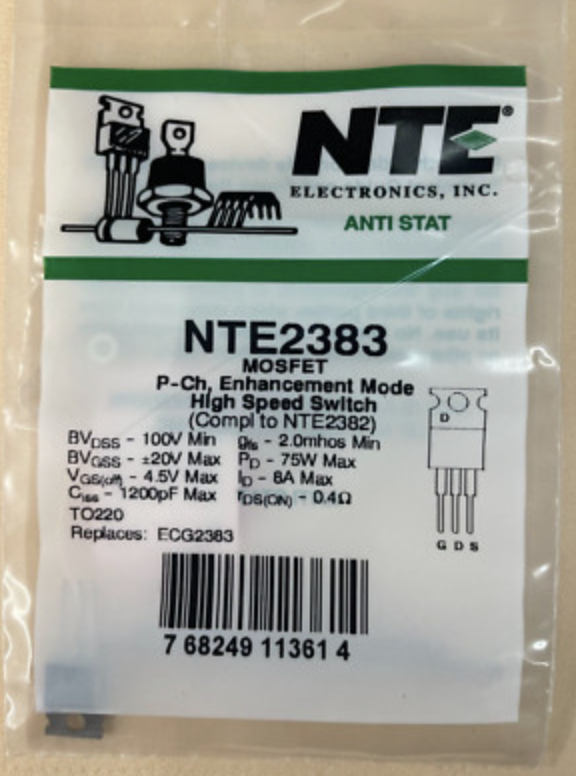
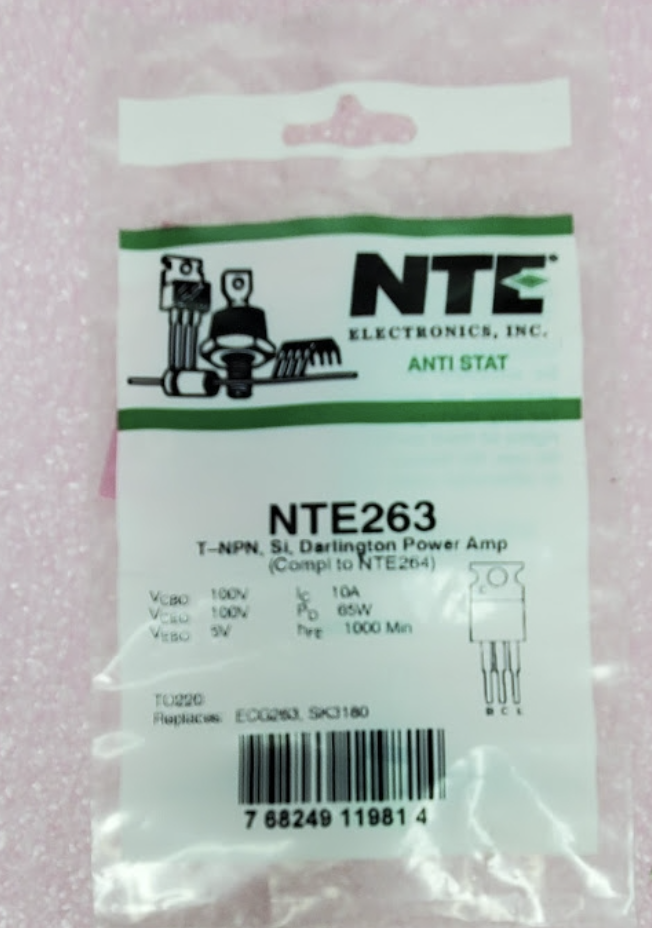
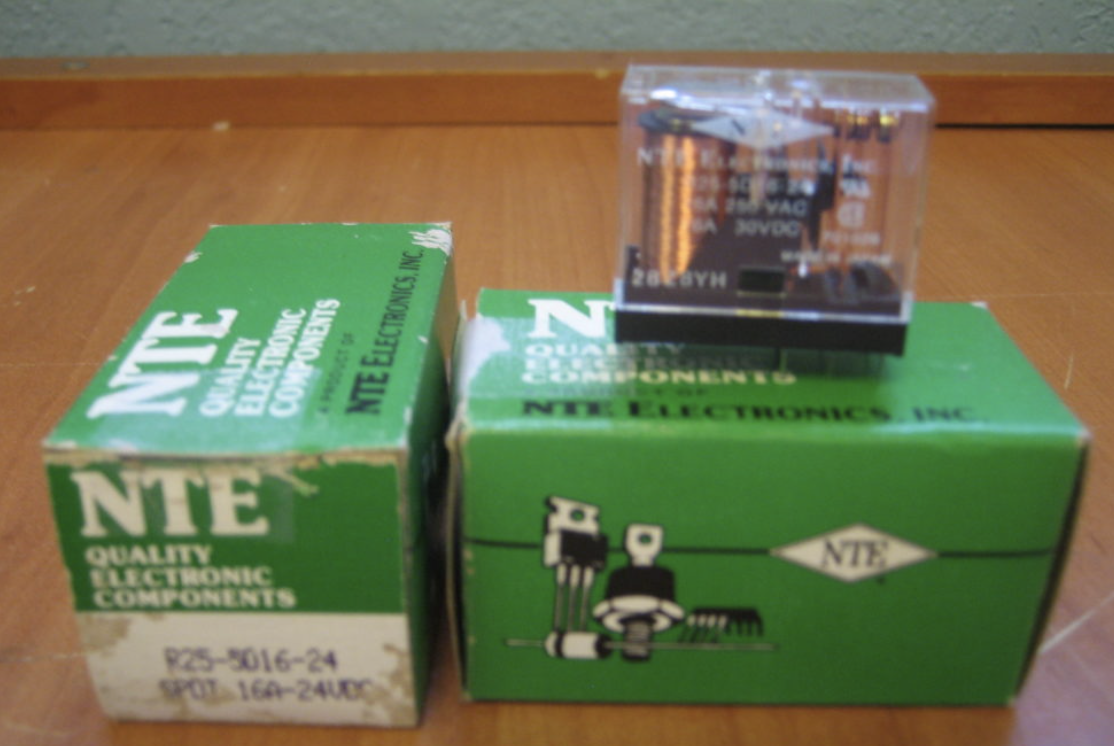
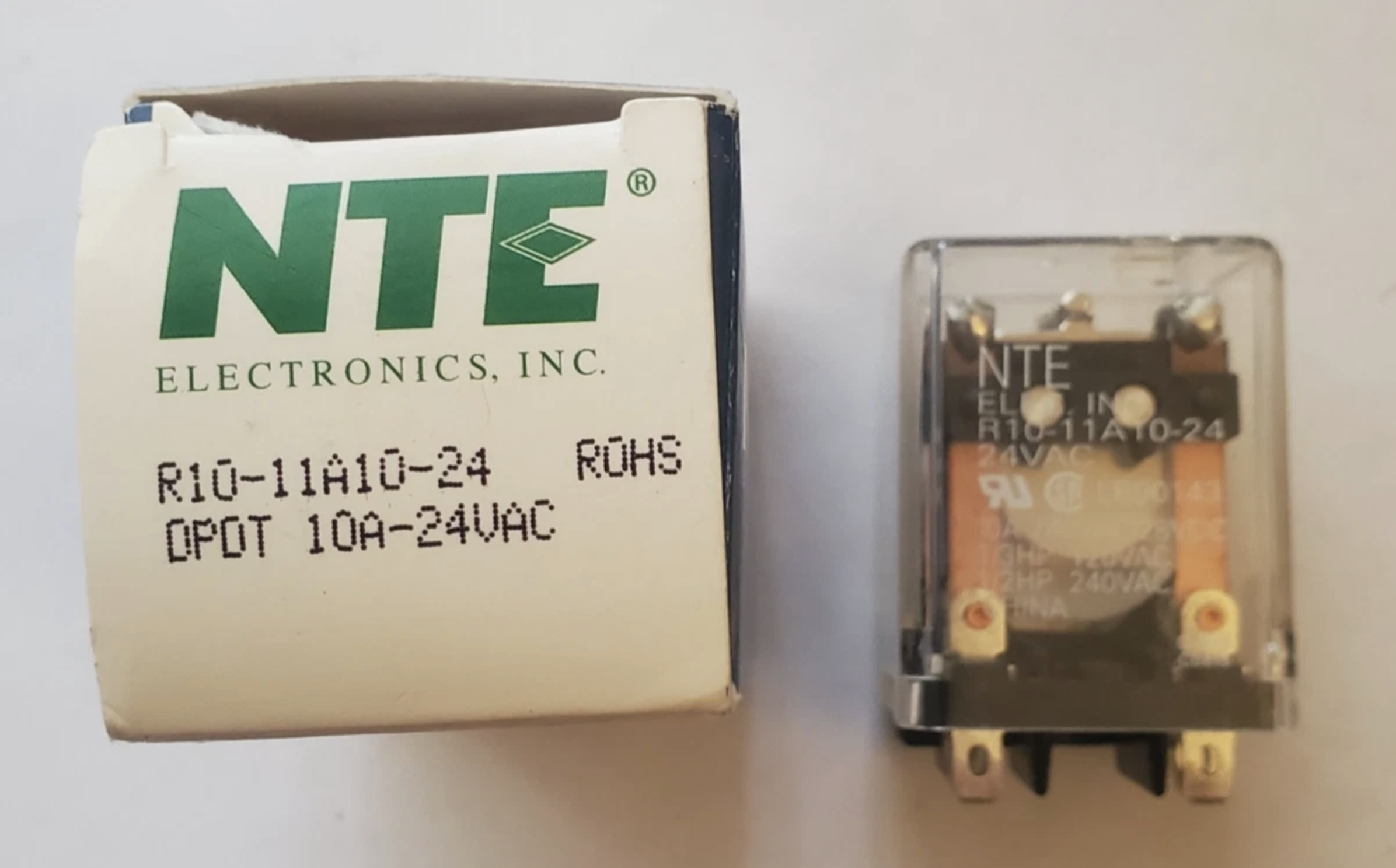
Technicians know the gut-drop. You crack a chassis. Stare at a scorched crater where a transistor was. The part number is a ghost. For years, one name stopped the sweating: NTE. Started in Bloomfield, NJ. 1979. They grew into a monster of the aftermarket. Then 2001 happened. They ate the Philips ECG division. Whole. Suddenly, a safety net so dense it caught everything. We keep your Marantz amp out of the trash. A bridge between junk and art.
Then the floor fell out. Mid-2024. The industry shook. After forty-five years, NTE hit the wall. Chapter 7 in June. Lights out in Jersey. But the numbering system? Too vital to kill. Vetco Electronics in Bellevue grabbed it from the wreckage. They saw value in the corpse. So the system persists. You might see "VET123" on the bag now. Inside? Identical silicon. The supply chain snapped and got tied back together with a weird knot.
Industrial Repair
Where a ten-cent diode saves a ten-thousand-dollar HVAC controller. We engineer stuff for the messy reality of MRO. Maintenance, Repair, Operations. Not the clean assembly line world.
Audio Wizards
Resurrecting CRTs and vintage receivers. The guys who need obsolete transistors to get the bias voltage right so the sound is lush, not smoky.
The Makers
The breadboard warriors. They need through-hole components that can take a beating during prototyping. Robust stuff.
Software Magic
The magic trick is QUICKCross. A database with 700,000 numbers. The Rosetta Stone for spark chasers. Stop digging through moldy paper datasheets.
Parameter Matching
It matches the soul of the component. Voltage. Gain. Dissipation. It hunts down a replacement so the circuit doesn't go up in smoke again.
The Rescue
The download links got scrambled in the 2024 chaos . . . but the database is still out there, hosted by the faithful, guiding soldering irons everywhere.
NTE Electronics Bestsellers
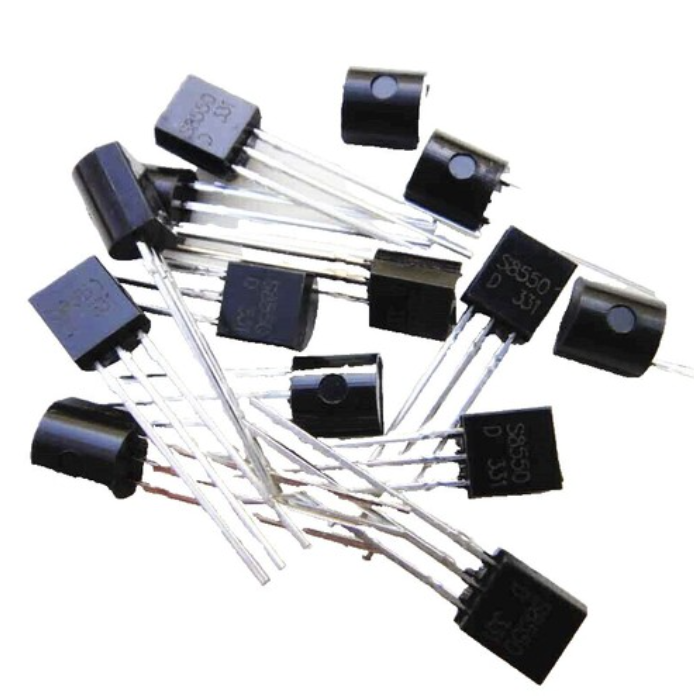
NTE123 Silicon NPN Transistor
Practically a celebrity. A Silicon NPN workhorse for audio amps and switching, housed in a metal TO-18 can. It handles 40V and 0.8A without breaking a sweat. It simplifies the headache of inventory.
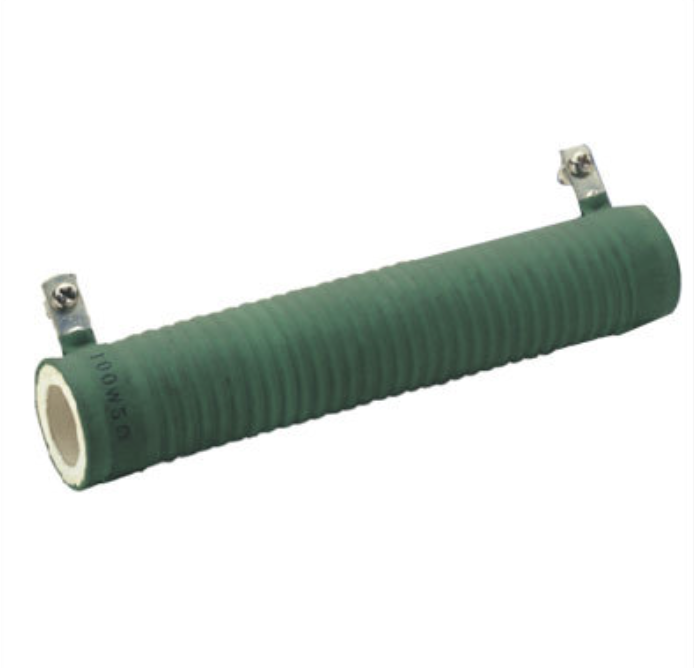
Carbon resistors are wimpy. These are tanks. Dissipating heat that fries lesser parts. The silicone is the secret sauce. Sits at 275 Celsius. Bake a cake hot. Resists solvents. Resistance doesn't drift when things get toasty.
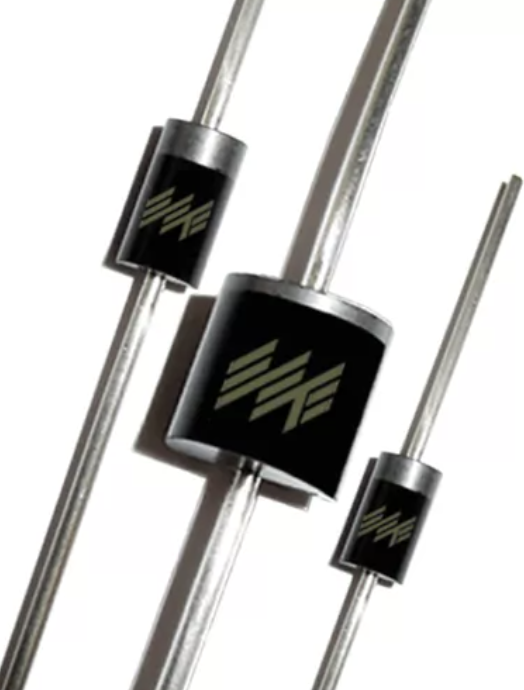
Gatekeepers. Straighten AC to DC. Designed for the slow thump of 60Hz mains. Big voltage. Big current. "Standard Recovery" means they take their time switching off. Brute strength for linear supplies.
Keep the world's electronics running. That is the mission. Repair is noble. It is a middle finger to planned obsolescence. It saves cash and history. Sustainability is part of it—every fixed board is one less chunk of e-waste poisoning the groundwater.
Right to Repair
Sustainability
Precision Matches
Saving History
Industrial Strength
Knowledge Transfer
Photos by Our Happy Clients
Vintage Receiver Glow
Workbench Chaos Victory
Ham Radio Shack Prep
Blister Pack Soldiers
Parts per year
0+
Reviews
0+
Partnerships
0+
Years of experience
0+
NTE Electronics Reviews
Sentiments are high. 4.5 out of 5 stars usually. The reviews are stories of salvation.
Saved a $2,000 amp with a $5 part. That is the recurring theme. Financial relief. Someone else fixed a forty-year-old washing machine because we had the triac when nobody else did. The software gets love too—people call it a lifesaver.

Jim 'Sparky' Miller
Vintage Audio Tech
Sure, people grumble about price. NTE costs more than bulk generic junk from overseas. But the reviews admit it: you pay for the guarantee. You pay for the fact that it exists at all. It isn't a luxury; it's panic control.

Elena R.
DIY Enthusiast
The magic trick is software. It doesn't just match numbers. That would be lazy. It matches parameters. If you feed it a Japanese transistor number, the software hunts down an NTE replacement that matches the frequency response. My circuit didn't go up in smoke.

Marcus Thorne
Industrial MRO
Do you need an electronic component?
Don't guess. Use the QUICKCross software. Find the number on your dead component—say, a 2N3055—and type it in. The software spits out the answer.